I came back from the Ride Of Silence with a quiet sense of satisfaction. I have a feeling that the healthy cycling trend is going to grow bigger and stronger. Which can only be good for Singaporean as a whole.


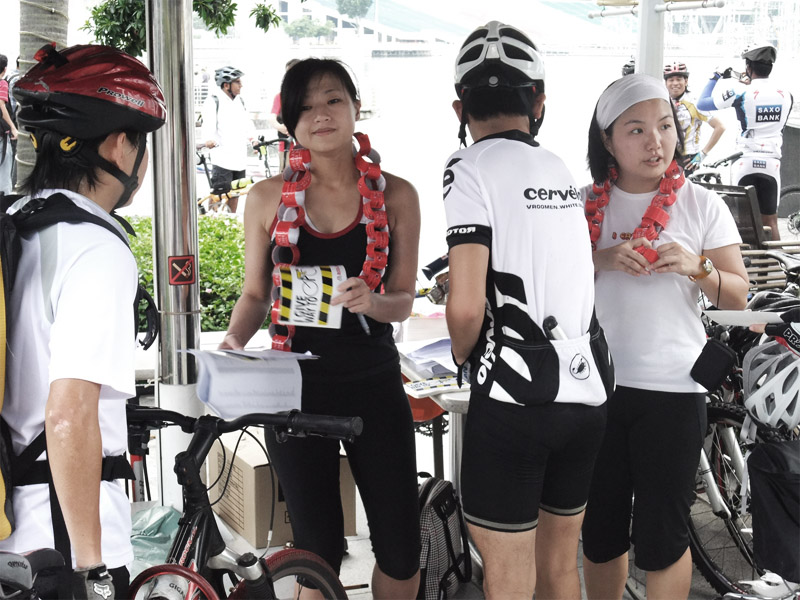
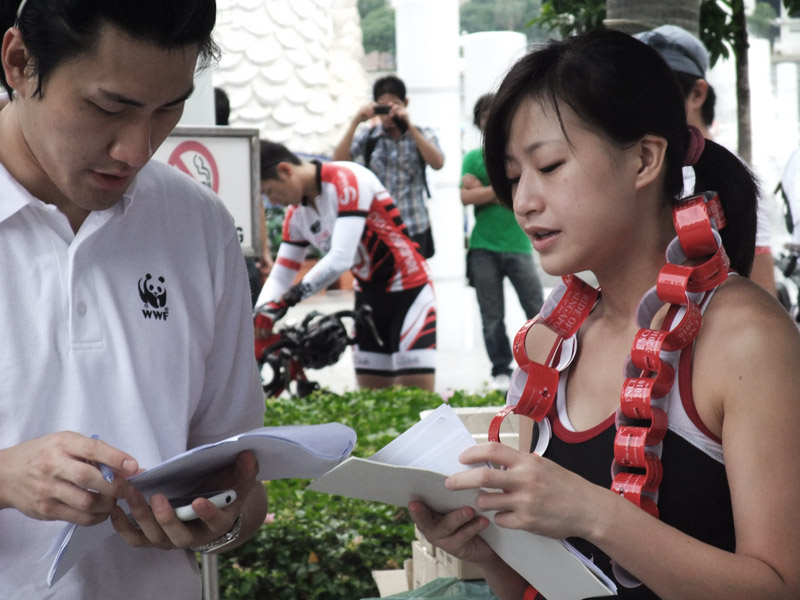
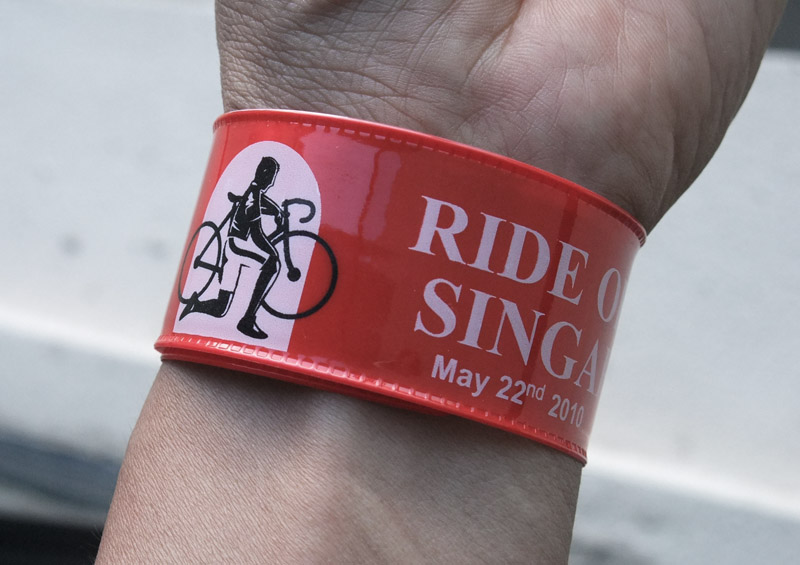
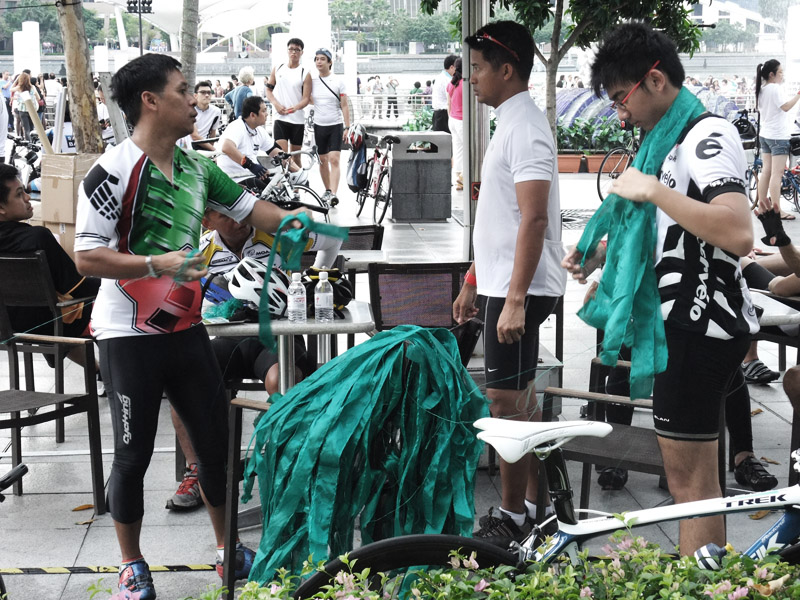

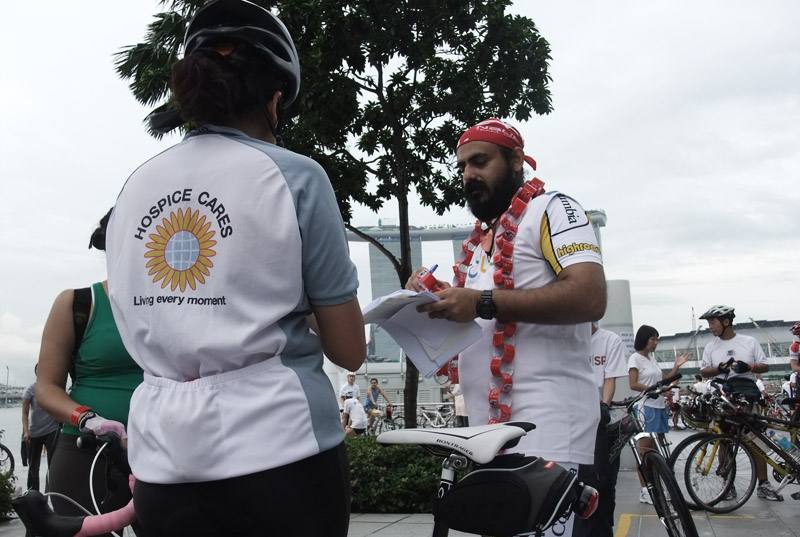


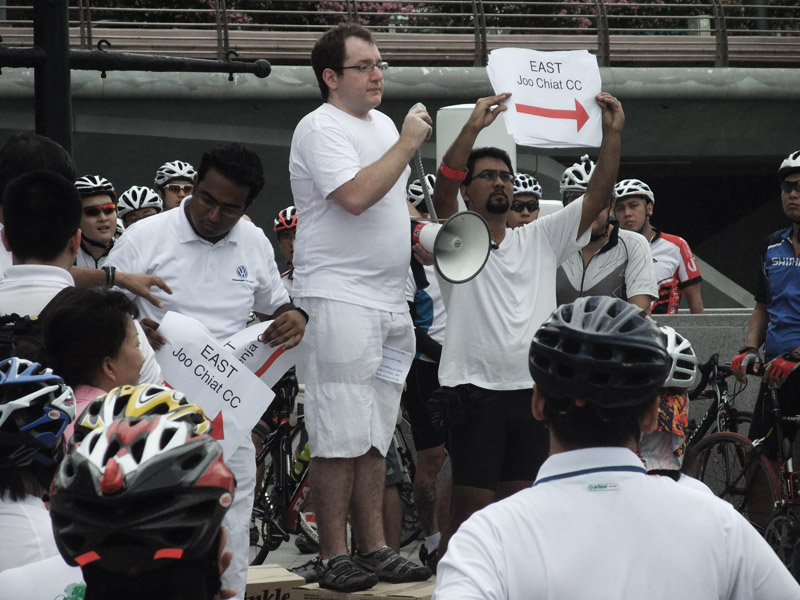


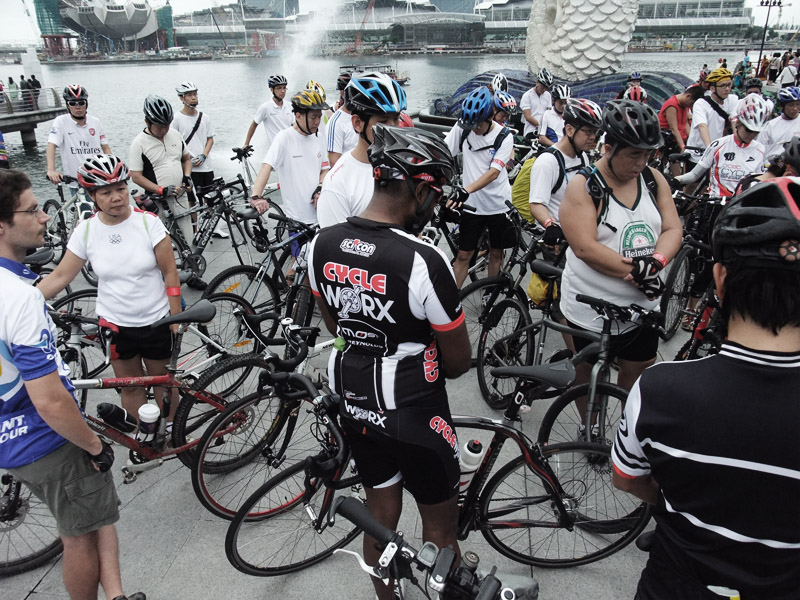


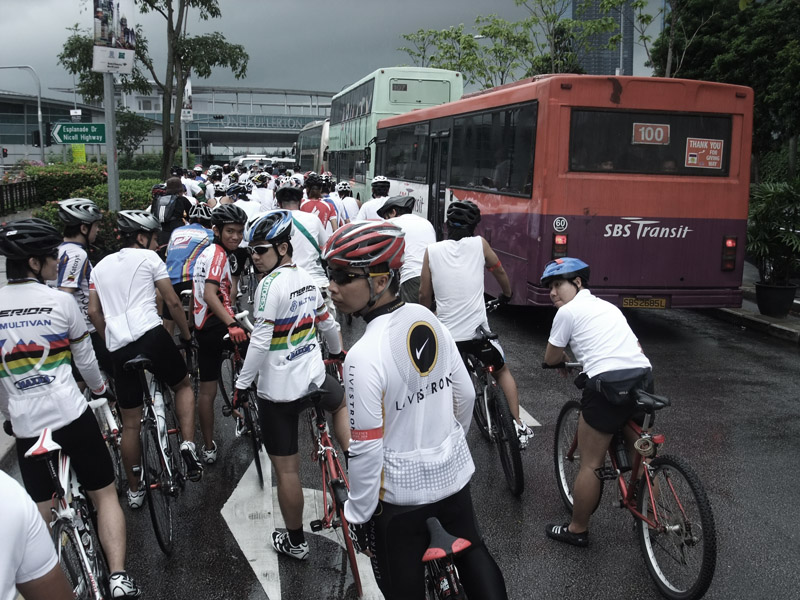

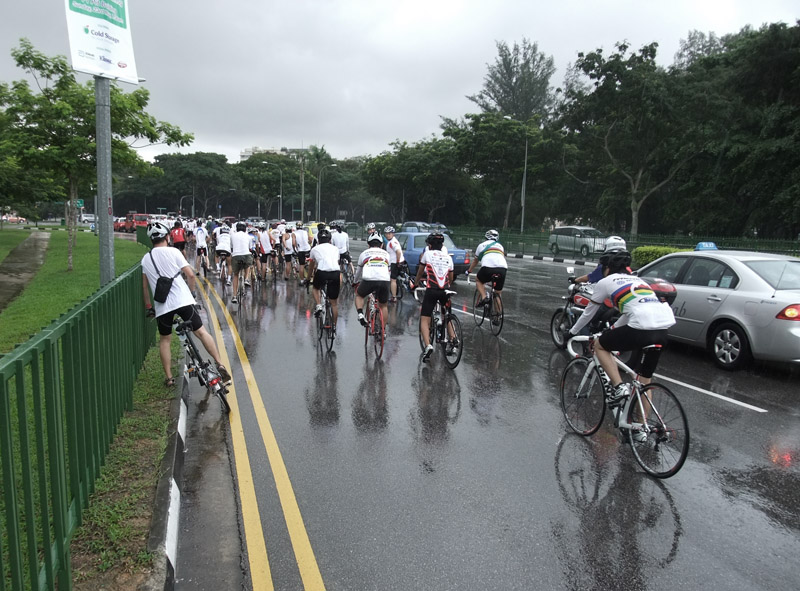
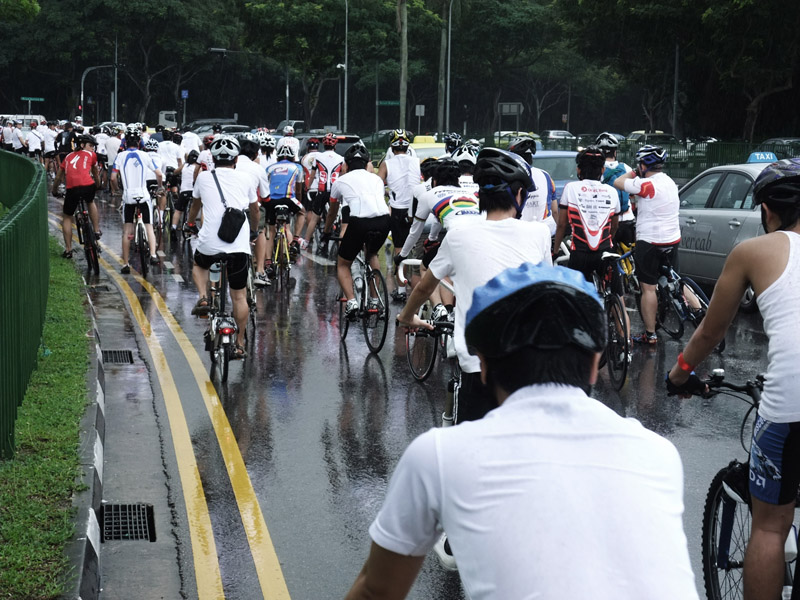

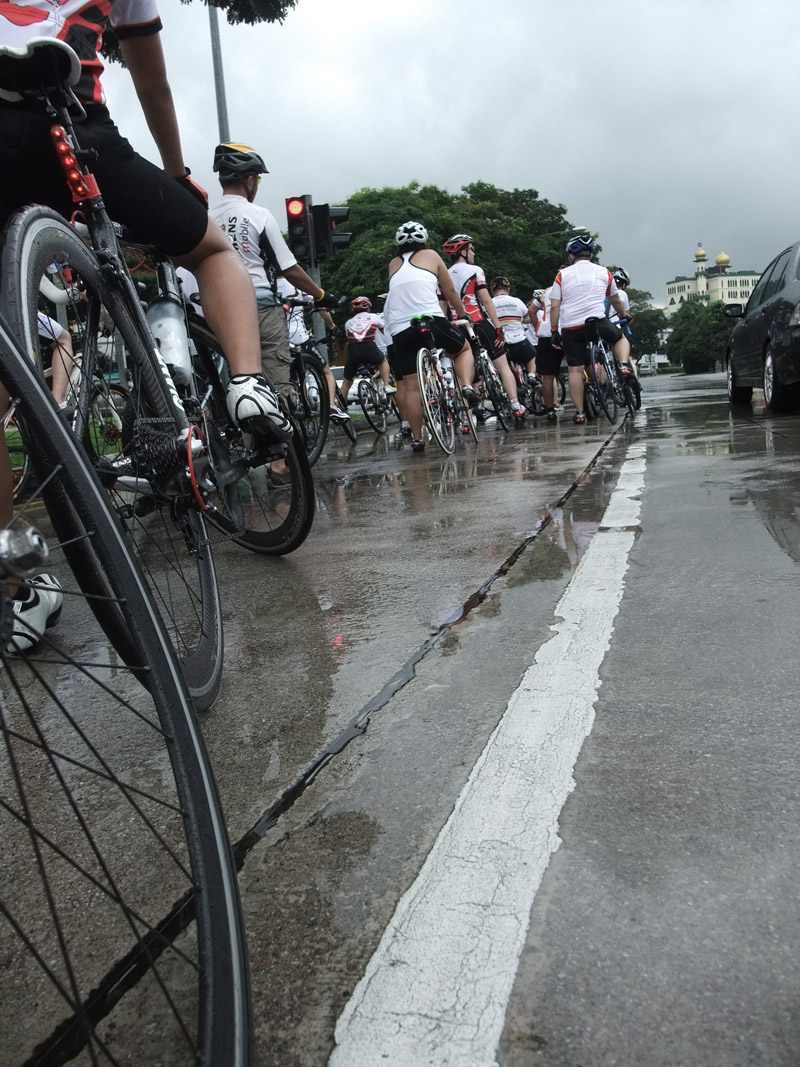


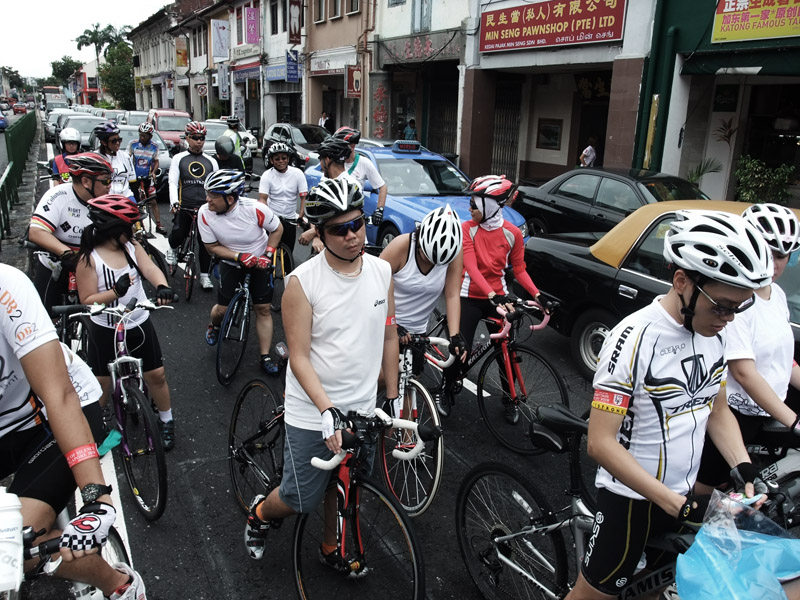

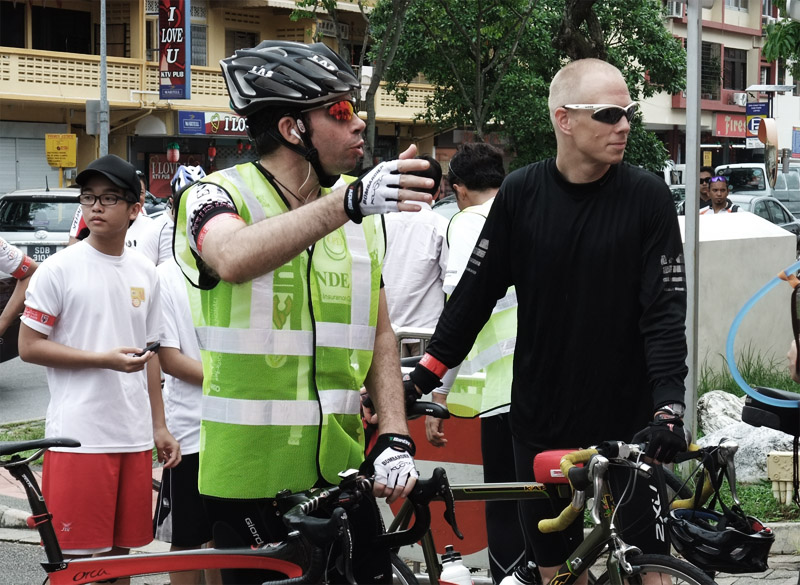
I came back from the Ride Of Silence with a quiet sense of satisfaction. I have a feeling that the healthy cycling trend is going to grow bigger and stronger. Which can only be good for Singaporean as a whole.
Date: 2010-5-22
Time: 10:00 – 13:00
Venue: Merlion Park

Last year, on the evening of May 22nd 2009, 497 cyclists gathered at Merlion Park to ride 20km in silence to promote cycling safety, cycling awareness and to remember the countless cyclists who were injured or killed on the roads of Singapore.
This year, as part of cycling safety month, join thousands of cyclists from all around the world, and ride to raise cycling safety awareness and to remember our friends and loved ones who were injured or killed.
Last year alone, in Singapore, there were over 450 bicycle-car accident resulting in injury or death of 450 cyclists.
Lets try to change things, make it safer for us and for our future.
For more event information, please visit RideOfSilence.sg
To register, please visit RideOfSilence.sg/rideofsilence/Register.html
After reading the article “Bicycles on pavements: Does it work in Japan?” by Paul Barter, I have always wanting to find out how can bicycle and pedestrian share the foot path peacefully in Japan? So during the last trip to Osaka, I took my folding bike and experience first hand to cycle on the pavement there, amongst the cyclists and pedestrians.


At first sight the mix of cyclists and pedestrians is like asking for trouble. There are so many cyclists riding on the pavement it appears that it is very dangerous for the pedestrian, especially children and elderly who are more vulnerable. However when I was walking there, I didn’t sense any threat from the cyclists at all. they just ride very carefully not to hurt other people walking. The cyclists slow down when they approach pedestrian from behind, never demanding, just follow slowly if the space is not wide enough for them to overtake. They always overtake safely. A few times cyclists almost hit me from behind when I was taking picture and wondering on the pavement, probably moving in a less expected manner and didn’t notice there is cyclists behind (they never use their bell). The cyclist always manage to stop before they hit me, and never fail to offer their apology even though I was the one “asking for trouble” by not walking in a predictable way. When I was on my bike, I try to follow what the other cyclist do- approach the pedestrian slowly and carefully, anticipating any unpredictable movement and overtake only when there is enough space and safe to do so (never ring my bell!). It is actually very pleasant to ride on the pavement – it is smooth, and have many zero-kerb height portions that cyclists can easily move in or out of the pavement and onto the road.


Apart from pavement and cycling paths, cyclists are seen almost everywhere, including area would be considered “restricted” in Singapore. All perfect examples that my folding bike was suitable for riding on the streets of Osaka, portable enough to transport on flights to Cozumel and sturdy enough to hold up to the daily grind. For example in front of the Kyobashi train station, it is a very busy place in the morning. Lots of people rushing to work.


Singapore road doesn’t have allocated space for cyclists. In any accident involving cyclist and car, the cyclist will be most likely to be killed or seriously injured. There are 120 over road kills every year, 7% of them involve cyclists. I use the following strategy to avoid being involve in such accidents.
The principle is call “Defensive bicycling”. It is a strategy that can increase your safety margin.
First, don’t assume ALL drivers can see you (e.g. they may be talking on the phone..). Second, make yourself very visible on the road so that MOST drivers notice you earlier which allows them to keep a distance from you.
To increase your visibility, dress in bright color cloths, put on a bright color cap or helmet, ride steadily along the road. Install bright front and rear lights if you need to ride at night. But don’t think you are safe yet, read on.
There are 6 factors affecting the safety of cyclists on Singapore road. Two of them: the design of the roads, and driver’s behavior are not in cyclist’s control. But you can use the other 4 factors to improve your chances of survival.
Your route choice
Your route choice can drastically affect your safety and your experience of Singapore. Take time to explore alternative routes, it will be worthwhile.
If you need to cover a long distance and can’t avoid dangerous roads, consider combining your cycling with MRT or Bus by using a folding bike – you can always find a safe route to your nearest Bus or MRT station.
Your skill and attitude
You need to be in complete control of your bike. If you are riding on the road, can you turn your head to check over your shoulder and keep the steering steady? Can you give hand signals without losing control of your bike? If not, practice in a park before venturing on the road.
Attitude, always consider safety ahead of speed.
Your awareness
– Most of the traffic accident occur at the road junctions. Pay special attention when crossing the junctions. Or better, cross the road at other points and avoid the junctions all together.
– Being predictable make it easy for drivers to keep a distance from you. Avoid sudden changes of direction. Riding in relatively straight lines is safer than darting in and out around obstacles, such as parked vehicles.
– Take the lane when traffic is slow at the junction to prevent turning cars cut into your lane.
– Some roads in Singapore are design for car speed well over the 50km limit (e.g. Toa Payoh Lorong 1). Slower cyclists will be more at risk due to the speed differences from the fast moving traffic passes by.
– Riding opposite to traffic direction is much more dangerous than it seems, because the speed difference is even greater and the drivers sure don’t have any time to react if anything happen unexpectedly.
– Drivers may be distracted behind the wheel. Keep an extra safe distance.
– Pavements is a safe haven if the roads gets too dangerous. However, do respect the right of way of pedestrian. Also be extremely careful when merge back into the road. Driver can not react if you come out suddenly.
– Side streets are usually much safer than main roads, but you still need to be alert for cars coming from the sides.
– Don’t trust the road signs and traffic light signals 100%, some drivers may be distracted and not following completely. Make sure no driver is in a possible position to hurt you before crossing the road. For example, if the traffic green man is on but a car is still approaching the crossing, I will wait until the car slows down and stop before I start to cross.
Your bicycle
Your bicycle should be in good working condition with good brakes. Fitted with front and rear light if you need to cycle at night.